India–South Africa Foundation
Two great democraciesworking together.
INDSAF is a national, not-for-profit, nonpartisan, non-governmental organization dedicated to deepening the partnership between India and South Africa.
US$ 10.06 bn
Bilateral trade
April to November 2025, part-year
US$ 4.84 bn
India's exports to South Africa
Across 4,890 commodities, April to November 2025
US$ 5.22 bn
India's imports from South Africa
Across 1,042 commodities, April to November 2025
1,697,506
South Africans of Indian origin
2022 census, the largest such community in Africa
Why INDSAF
A rare inheritance,
and an unfinished partnership.
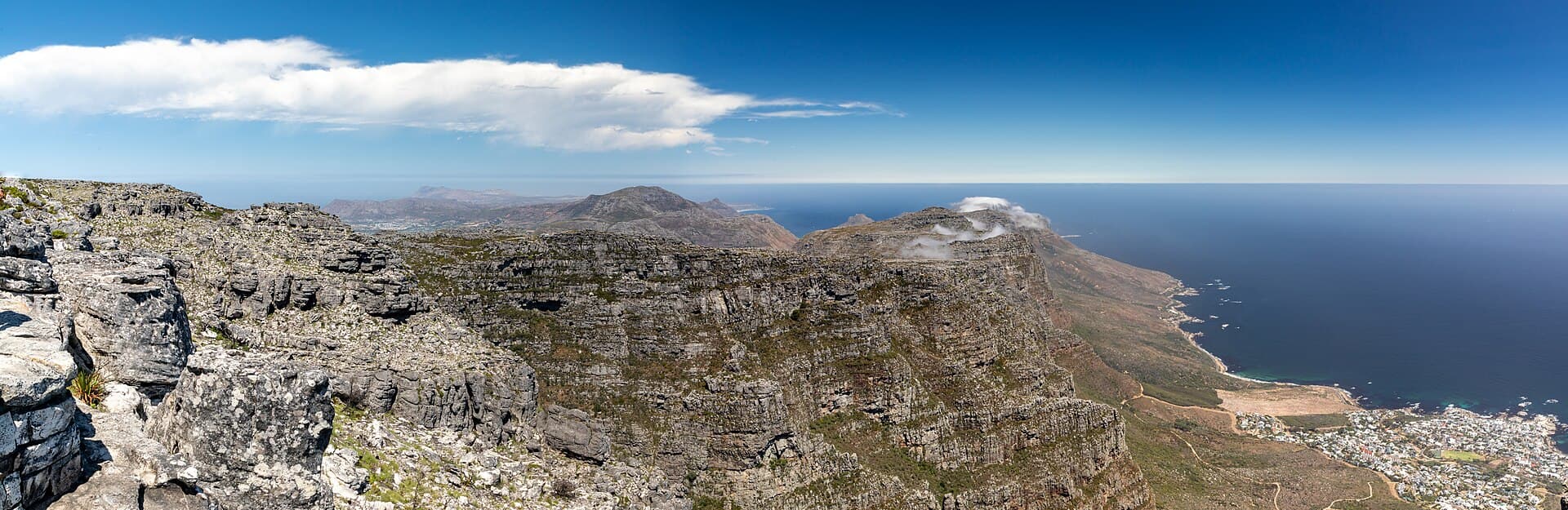
India and South Africa share a rare inheritance: former British colonies, fellow members of the Commonwealth, and partners in BRICS. Both are constitutional democracies with written constitutions, independent judiciaries and Bills of Rights. Both carry the memory of racial discrimination and the moral weight of non-violent resistance, and both are home to a community that belongs to each other's story.
INDSAF exists to turn that inheritance into institutions: forums that convene, research that informs, and recognition that honours the people carrying the relationship forward.
Fields of work
- Cultural Exchange
- Medical
- Education
- Spiritual
- Commerce
- Industry
- Tribal Affairs
- Finance
- Economics
- Real Estate
- Journalism
- Media
- History
Our objectives
Six commitments
Set out at the foundation's establishment, and the standard against which every INDSAF programme is measured.
- 01
Foster bilateral relations
Build durable ties between the India of the 21st century and South Africa, across government, business, academia and civil society.
- 02
Open the public sphere
Create opportunities for qualified Indo–South African Indians to participate and lead in public life, institutions and policy.
- 03
Explain the new India
Create a better understanding of contemporary India among South African Indians, and advance India's interests as a BRICS partner.
- 04
Honour global Indian achievement
Annually recognise and honour a prominent global Indian achiever in South Africa who has enhanced India's presence and prestige on the world stage.
- 05
Convene sectoral forums
Organise forums that build a working understanding of the expanding economic relationship between South Africa and India.
- 06
Argue for strategic partnership
Position a strategic India–South Africa partnership as critical to South Africa's future, and to India's role on the African continent.
The economic relationship
Ten billion dollars, and rising
Bilateral trade reached US$ 10.06 billion in the eight months to November 2025: energy, vehicles and medicines moving south; minerals, metals and pulp moving north.
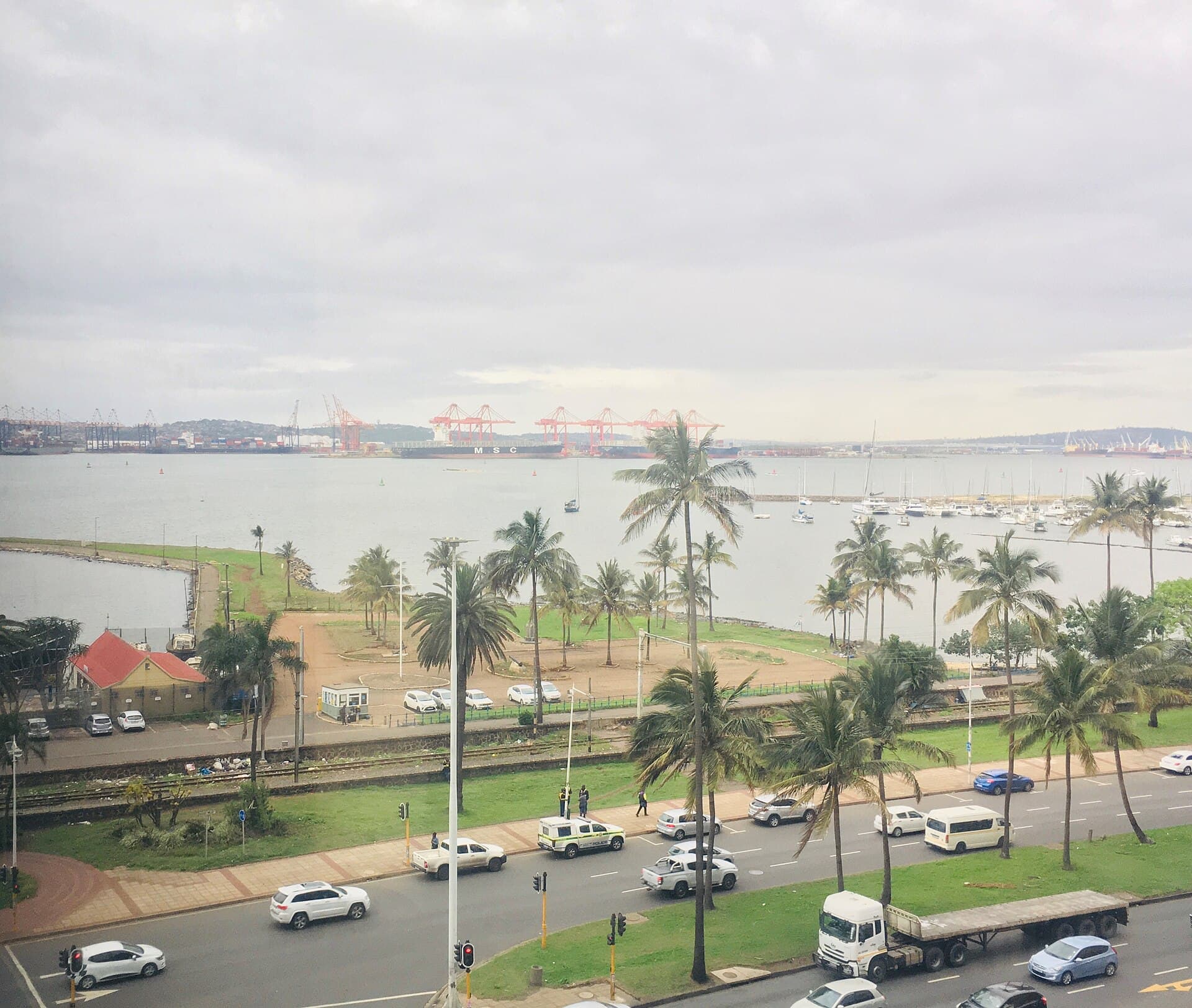
Shared tables
- BRICS
- IBSA
- G20
- IORA
- WTO
- Commonwealth
India exports
US$ 4.84 bn
- Mineral fuels and oilsUS$ 1.48 bn
- Vehicles and partsUS$ 1.31 bn
- Pharmaceutical productsUS$ 459.90 mn
- Machinery and appliancesUS$ 318.73 mn
- Electrical machineryUS$ 110.77 mn
- Plastics and articlesUS$ 107.27 mn
India imports
US$ 5.22 bn
- Pearls, precious stones and metalsUS$ 1.93 bn
- Mineral fuels and oilsUS$ 1.87 bn
- Ores, slag and ashUS$ 416.85 mn
- Wood pulp and waste paperUS$ 308.34 mn
- Copper and articlesUS$ 133.37 mn
- Salt and related materialsUS$ 99.32 mn
Trade figures cover April to November 2025, the first eight months of India's 2025-26 fiscal year, and are not a full-year total. South Africa's cumulative FDI into India stood at US$ 640.11 mn (April 2000 to September 2025).
Shared heritage
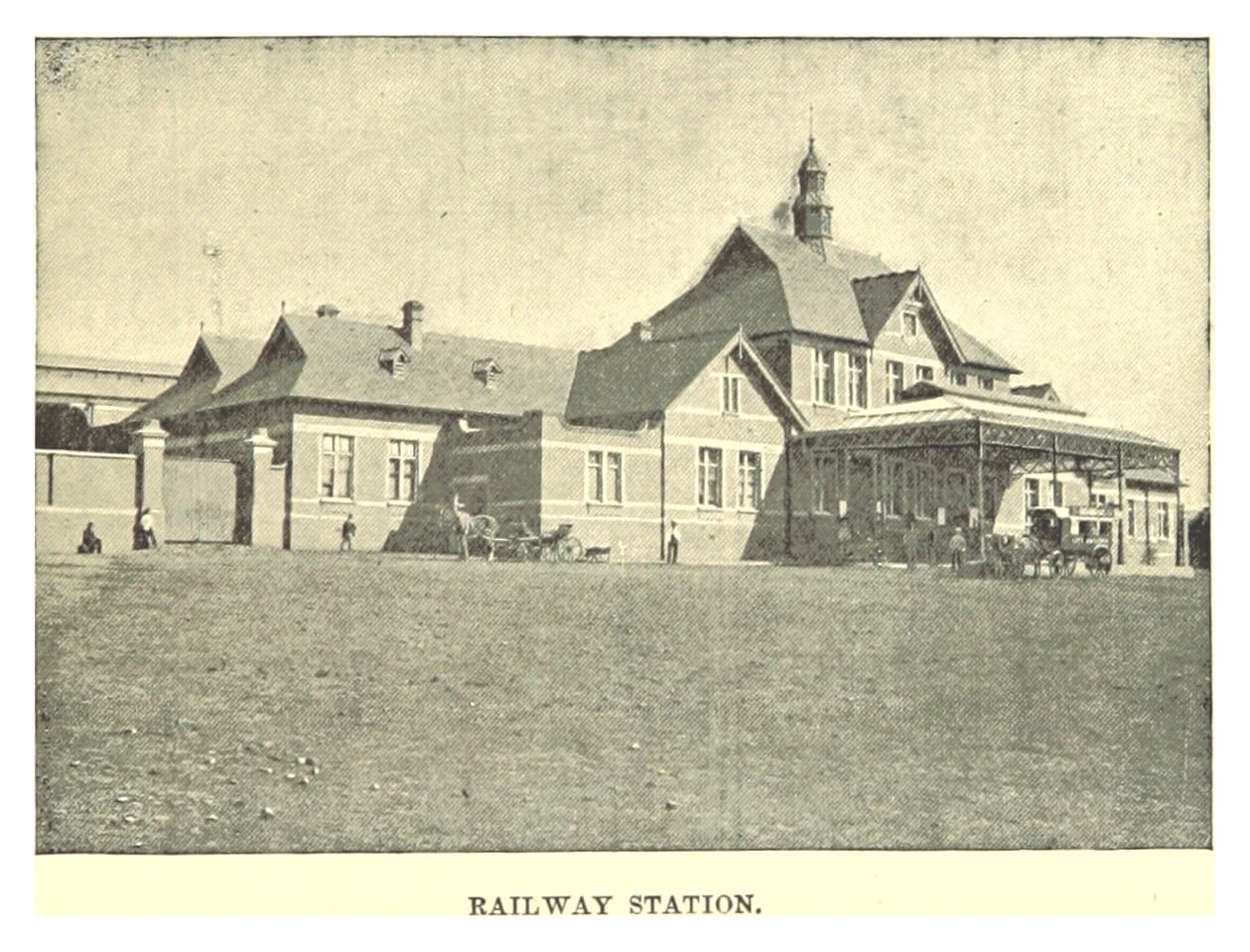
It began with a ship, and a railway platform.
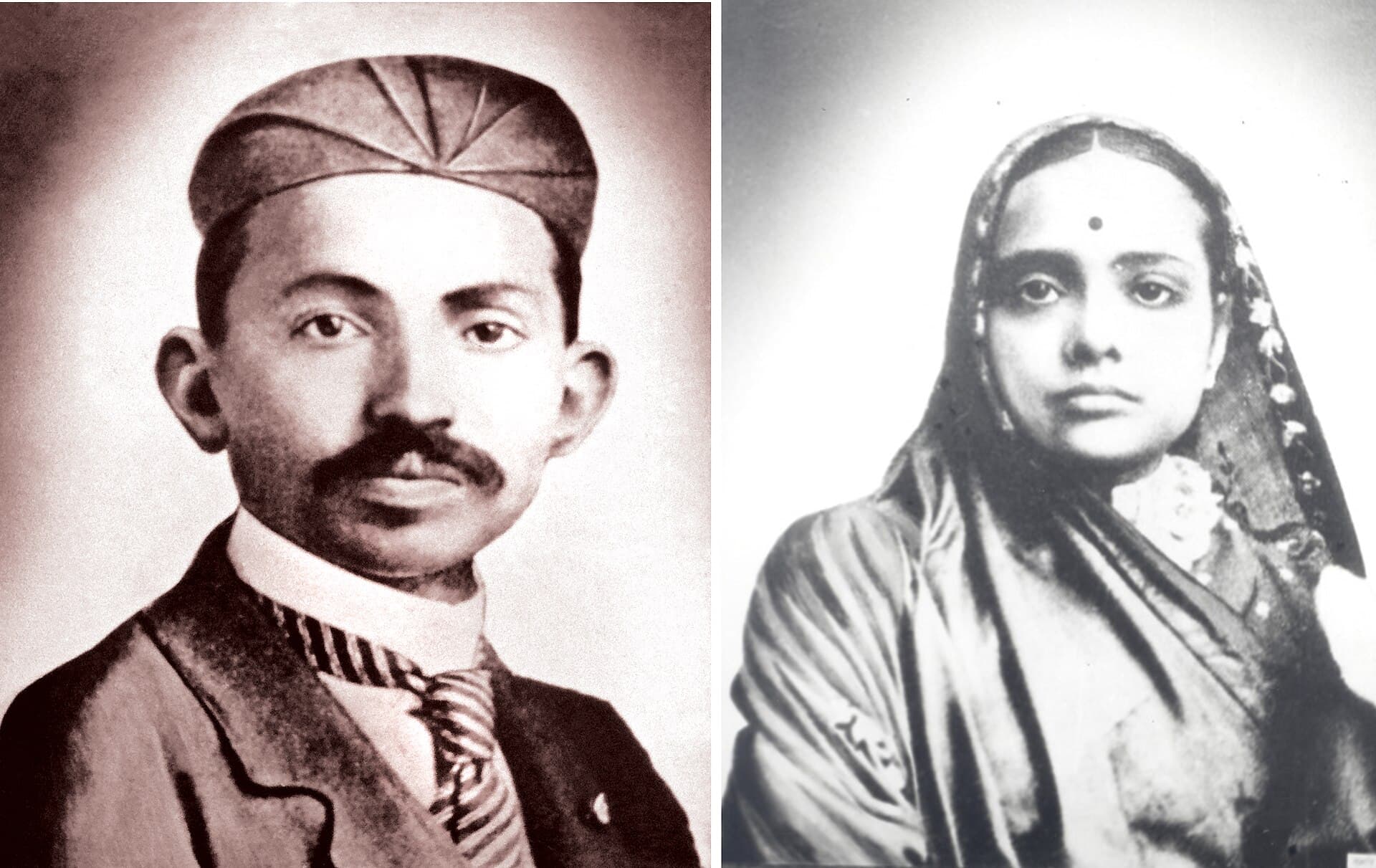
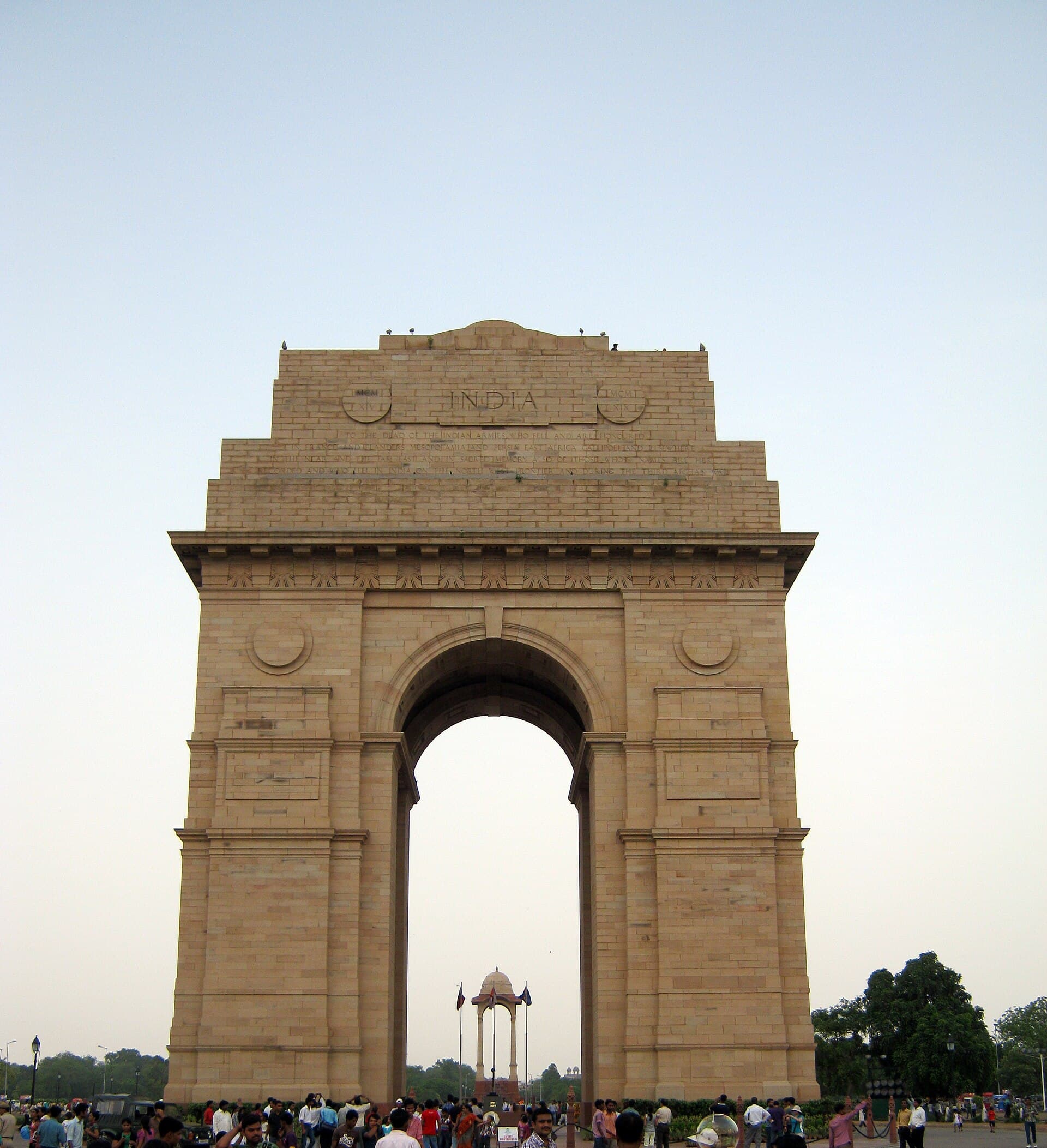
From the 342 indentured labourers who landed at Natal aboard the Truro in 1860, to the young lawyer put off a train at Pietermaritzburg in 1893, to a strategic partnership signed at the Red Fort, the two nations have been writing a single story for more than 160 years.
1860
The Truro reaches Natal
The first 342 indentured labourers arrive from Madras aboard the Truro, followed by the Belvedere from Calcutta. Roughly 200,000 Indians would arrive…
1860s–90s
Passenger Indians
Traders, largely Gujarati and later joined by Konkani and Urdu-speaking migrants from Uttar Pradesh, pay their own passage as British subjects. Operat…
1893
Gandhi arrives
M. K. Gandhi lands in South Africa to represent an Indian businessman in a legal dispute. Confronted with racial discrimination and a bill to strip In…
1904
A permanent community
Indians outnumber whites in Natal. What colonists had treated as temporary labour has become a settled population with its own institutions, newspaper…
Two nations
What we hold in common, and what we do not
Honest partnership starts with an accurate picture of both countries.
Similarities
- Cultural diversity
- India recognises 22 official languages and virtually every major faith; South Africa has 11 official languages and a comparably rich cultural tapestry.
- Colonial history
- Both nations were shaped by colonial rule: India under the British, South Africa under Dutch and then British control.
- Democratic systems
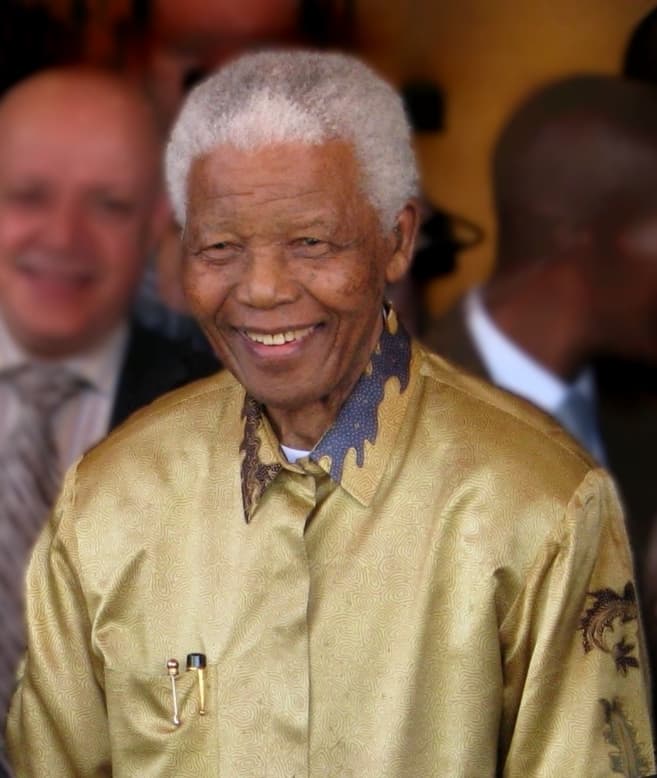
- India is the world's largest democracy; South Africa's transition in the 1990s, led by Nelson Mandela, remains one of the defining democratic settlements of the century.
- Shared economic challenges
- Both emerging markets contend with inequality, poverty, unemployment and uneven development.
- Sport
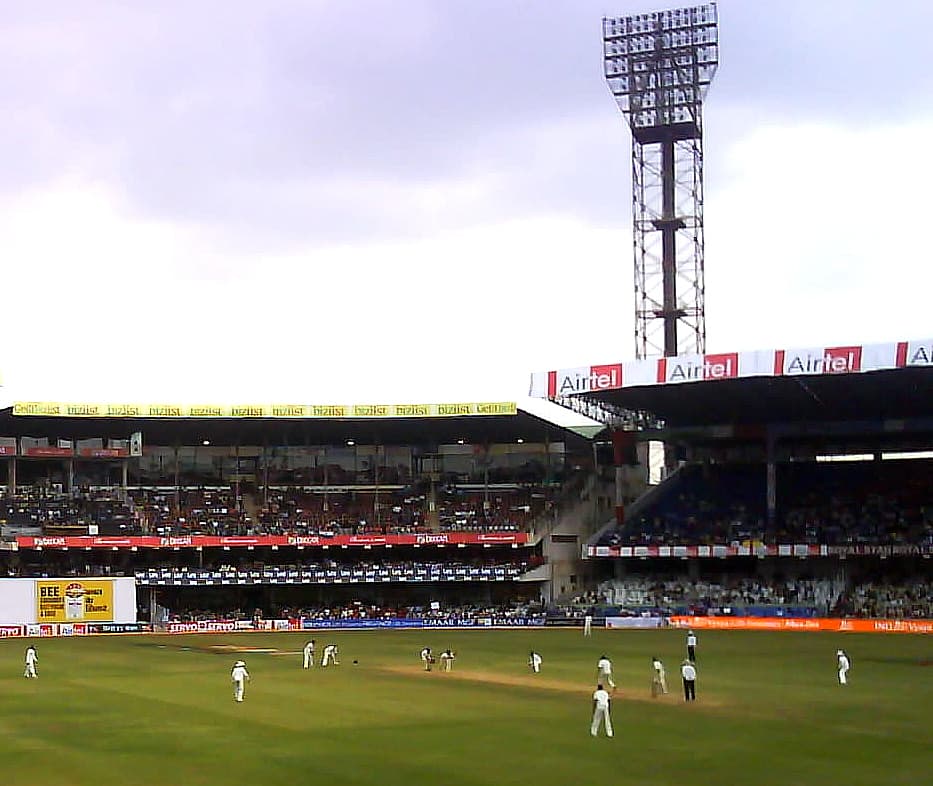
- Cricket is a national passion in both countries, and one of the most reliable bridges between the two publics.
Differences
- Geography
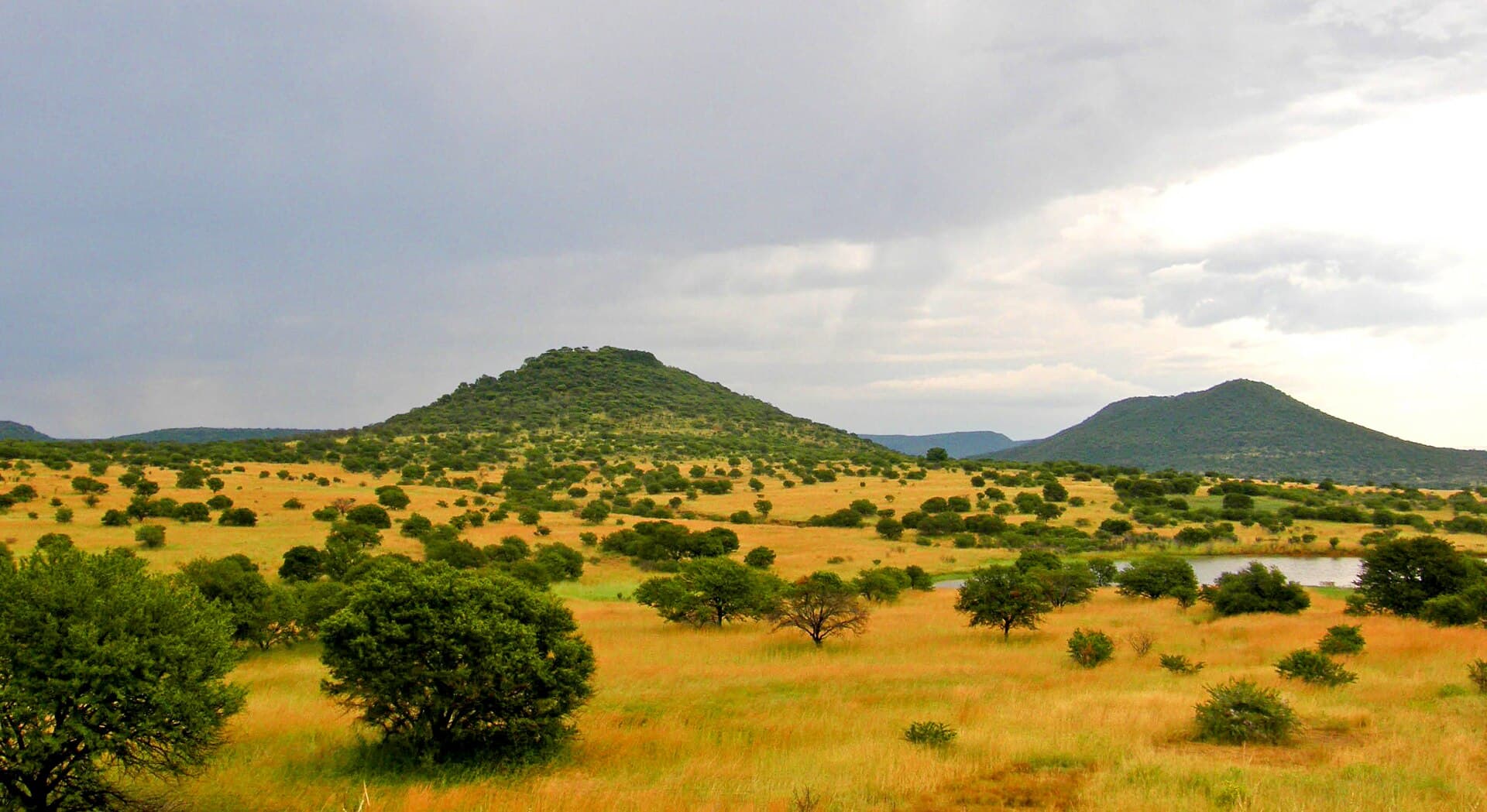
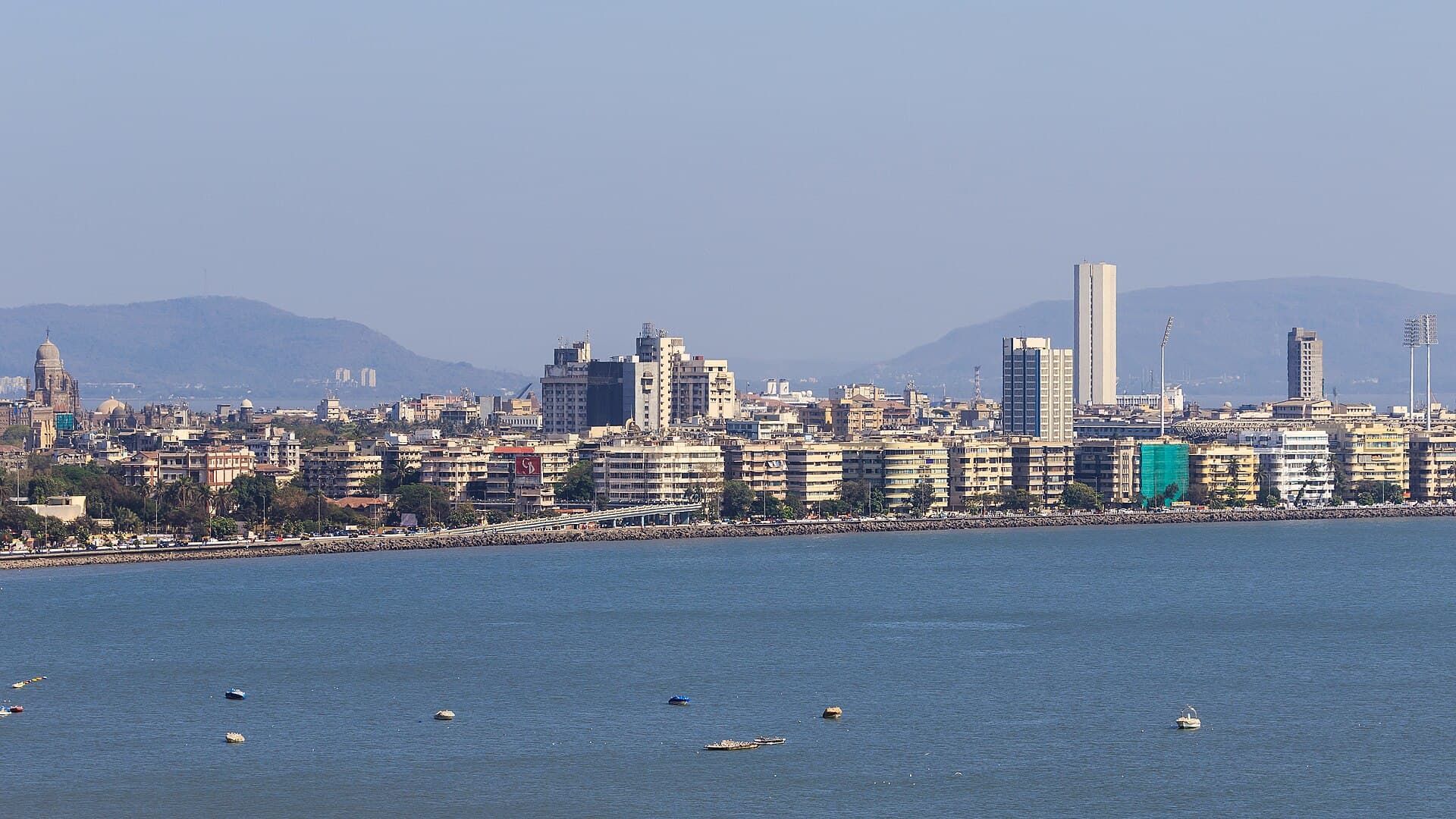
- India spans South Asia's mountains, plains and coastlines; South Africa occupies the continent's southern tip, with savanna, desert and two oceans.
- Population
- Over 1.4 billion people in India against roughly 60 million in South Africa, a difference that shapes market size, urbanisation and policy alike.
- Economic structure
- India's economy is diversified across IT, agriculture and manufacturing. South Africa's rests heavily on mining and natural resources, with a developing industrial base.
- Political timeline
- India gained independence in 1947; South Africa's apartheid system persisted into the early 1990s under intense global scrutiny.
- Growth dynamics
- India has often grown at 6–8% a year and is among the fastest-growing major economies; South African growth has run nearer 1–3%, constrained by structural challenges.
Cultural exchange
A calendar held in common
India's festivals are rooted largely in religious tradition; South Africa's emphasise cultural heritage and national identity. Diwali belongs to both.
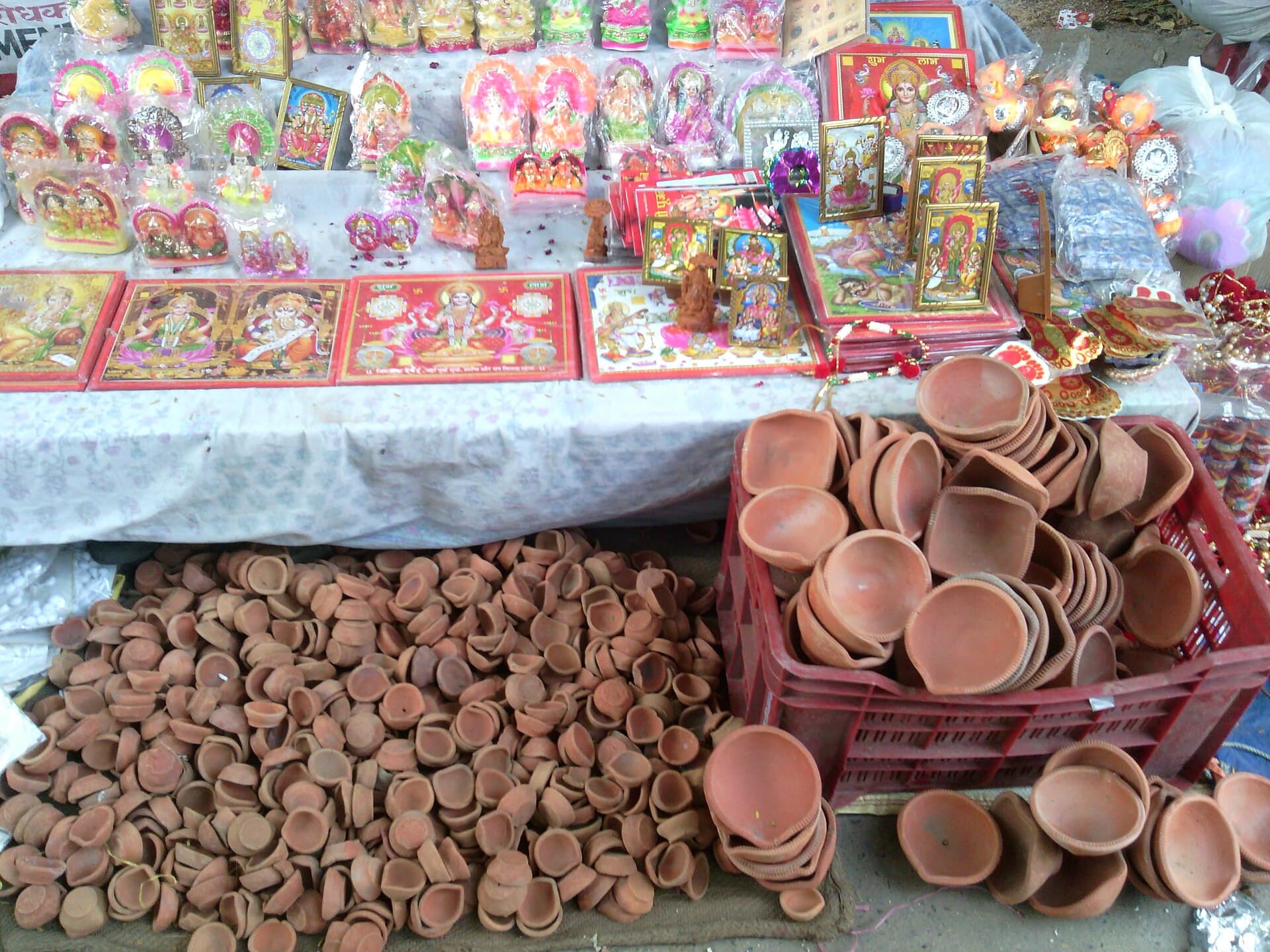 India
India- Diwali
- The Festival of Lights, celebrated by Hindus, Sikhs and Jains: the victory of light over darkness.
- Holi
- The Festival of Colours, marking the arrival of spring and the triumph of good over evil.
- Eid al-Fitr
- The close of Ramadan, marked by communal prayer, feasting and charity.
- Durga Puja
- West Bengal's great festival to the goddess Durga, with elaborate idols and cultural performance.
- Navratri
- Nine nights dedicated to the goddess Durga, observed with fasting, dance and prayer.
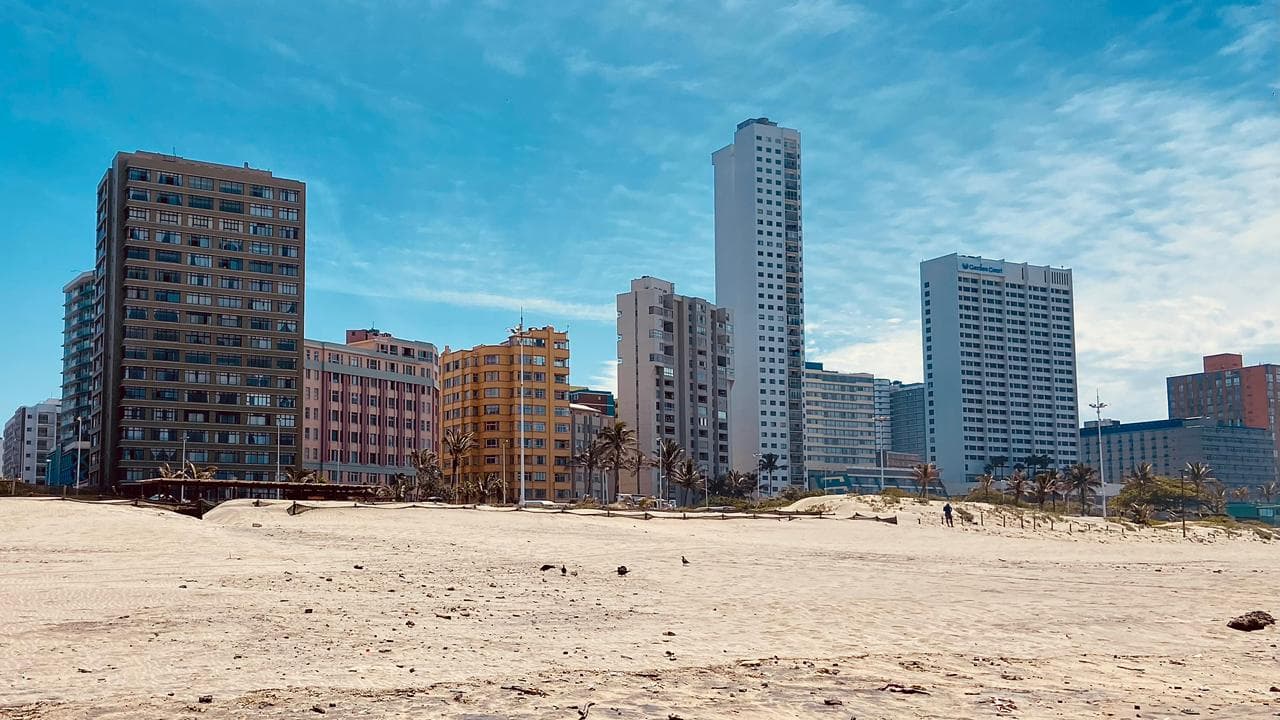 South Africa
- Heritage Day
- 24 September, honouring South Africa's diverse cultures and promoting national unity.
- Diwali
- Celebrated by South Africa's Indian community, most visibly in Durban and Gauteng.
- Nelson Mandela Day
- 18 July, honouring Mandela's legacy through community service and social justice.
- Cape Town International Jazz Festival
- An annual celebration of local and international jazz talent.
- Rand Show
- A multi-day Johannesburg exhibition of entertainment, food and cultural showcases.
Guidance
Advisory council
INDSAF draws counsel from across spiritual life, medicine, public administration, law and the media. The council continues to be constituted.
Spiritual Guidance
Further members being confirmed
Medical
Further members being confirmed
Intellectuals
Further members being confirmed
Bureaucracy
Further members being confirmed
Legal
Further members being confirmed
Media & Journalism
Further members being confirmed
Join INDSAF
Help build the institution this relationship deserves.
INDSAF is convening founding members, sectoral chairs and partner institutions across India and South Africa. If you work in commerce, medicine, education, law, media or the arts across the two countries, we would like to hear from you.
- India
- New Delhi
- South Africa
- Durban
- info@indsaf.org